Future-Proof Your Business: Secret Cybersecurity Predictions You Need to Know
As companies face the accelerating pace of digital transformation, understanding the developing landscape of cybersecurity is vital for long-lasting durability. Predictions suggest a significant uptick in AI-driven cyber threats, alongside heightened regulatory scrutiny and the necessary change towards Zero Depend on Architecture. To properly navigate these difficulties, companies should reassess their protection approaches and promote a culture of awareness amongst staff members. The implications of these adjustments prolong beyond plain conformity; they could redefine the really structure of your functional safety. What steps should firms take to not only adjust but grow in this new environment?
Increase of AI-Driven Cyber Hazards

One of one of the most worrying growths is using AI in creating deepfakes and phishing plans that are incredibly convincing. Cybercriminals can make sound and video material, posing execs or relied on people, to manipulate victims into divulging sensitive information or authorizing deceptive deals. In addition, AI-driven malware can adjust in real-time to escape discovery by standard security measures.
Organizations must recognize the urgent need to reinforce their cybersecurity frameworks to battle these advancing hazards. This consists of investing in advanced risk detection systems, promoting a culture of cybersecurity awareness, and implementing durable case feedback strategies. As the landscape of cyber dangers changes, positive steps become important for safeguarding delicate data and preserving service stability in a progressively digital globe.
Boosted Concentrate On Data Personal Privacy
How can companies properly navigate the growing focus on information privacy in today's electronic landscape? As regulative frameworks advance and customer expectations climb, services must focus on robust information personal privacy strategies. This includes embracing comprehensive information governance plans that guarantee the ethical handling of personal details. Organizations must conduct normal audits to evaluate conformity with policies such as GDPR and CCPA, recognizing potential vulnerabilities that can result in information breaches.
Investing in employee training is important, as team recognition directly impacts data protection. Furthermore, leveraging innovation to improve data safety and security is necessary.
Partnership with legal and IT teams is crucial to align information personal privacy campaigns with service purposes. Organizations should also engage with stakeholders, including clients, to communicate their commitment to information personal privacy transparently. By proactively addressing data personal privacy worries, services can develop count on and enhance their reputation, eventually adding to long-term success in an increasingly looked at digital environment.
The Change to No Count On Architecture
In response to the developing threat landscape, companies are progressively taking on No Trust Style (ZTA) as a fundamental cybersecurity method. This approach is based on the principle of "never ever trust fund, always validate," which mandates continuous confirmation of customer identities, devices, and information, no matter their area within or outside the network boundary.
Transitioning to ZTA entails executing identification and access administration (IAM) solutions, micro-segmentation, and least-privilege gain access to controls. By granularly controlling accessibility to resources, organizations can mitigate the threat of expert threats and lessen the influence of outside violations. Additionally, ZTA incorporates robust surveillance and analytics capabilities, permitting organizations to find and react to anomalies in real-time.

The change to ZTA is additionally fueled by the boosting adoption of cloud services and remote job, which have actually expanded the strike surface area (7 Cybersecurity Predictions for 2025). Conventional perimeter-based security models are not enough in this new landscape, making ZTA a more resistant and flexible framework
As cyber threats remain to grow in sophistication, the fostering of No Count on concepts will certainly be vital for organizations looking for to safeguard their properties and keep governing compliance while guaranteeing organization connection in an unpredictable setting.
Regulatory Adjustments coming up
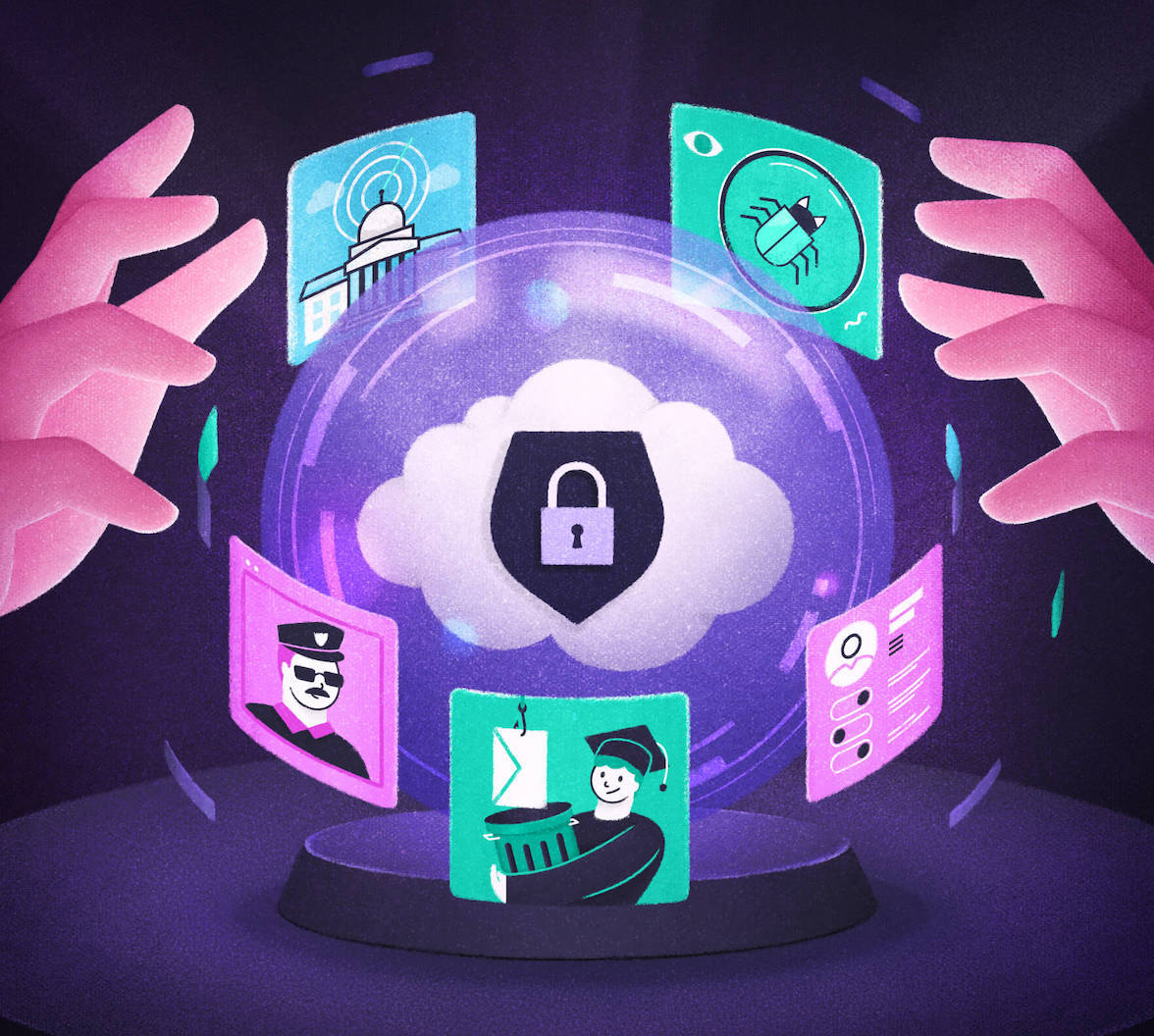
Upcoming guidelines are anticipated to deal with a variety of issues, including information personal privacy, breach notification, and occurrence feedback protocols. The General Information Defense Regulation (GDPR) in Europe has set a criterion, and find out this here comparable frameworks are emerging in various other areas, such as the USA with the recommended federal privacy regulations. These regulations typically enforce rigorous fines for non-compliance, stressing the demand for organizations to prioritize their cybersecurity measures.
Additionally, sectors such as finance, healthcare, and critical infrastructure are likely to face much more strict demands, mirroring the delicate nature of the information they handle. Compliance will certainly not just be a lawful responsibility yet a critical component of building trust with customers and stakeholders. Organizations has to remain in advance of these adjustments, incorporating regulative demands into their cybersecurity methods to make sure durability and protect their assets properly.
Relevance of Cybersecurity Training
Why is cybersecurity training a vital element of an organization's protection approach? In an age where cyber risks are increasingly advanced, companies should recognize that their workers are usually the first look at more info line of protection. Effective cybersecurity training outfits personnel with the knowledge to recognize prospective hazards, such as phishing assaults, malware, and social engineering tactics.
By cultivating a culture of protection awareness, organizations can dramatically minimize the risk of human error, which is a try this site leading reason of data violations. Regular training sessions make sure that staff members stay educated regarding the current dangers and ideal practices, consequently boosting their capability to react suitably to events.
In addition, cybersecurity training promotes conformity with regulatory demands, lowering the risk of legal consequences and economic penalties. It also equips staff members to take possession of their duty in the organization's safety and security framework, leading to a proactive as opposed to reactive technique to cybersecurity.
Final Thought
To conclude, the developing landscape of cybersecurity demands positive steps to resolve arising threats. The surge of AI-driven strikes, coupled with heightened data privacy issues and the change to Zero Trust Architecture, necessitates a detailed strategy to security. Organizations should remain alert in adapting to regulative changes while focusing on cybersecurity training for employees (Deepfake Social Engineering Attacks). Highlighting these techniques will not just boost organizational durability but additionally guard delicate details against an increasingly sophisticated selection of cyber hazards.
Comments on “Optimize protection strategies through expert cybersecurity and privacy advisory.”